 Try this styleon your selfie · free
How to Choose Highlights vs Full Color for Your First Time
Published September 20, 2026
Your first salon color is a fork in the road: lighter, low-maintenance highlights or an all-over shade shift, and the right call depends on your goals, budget, and patience.
The Core Difference
Highlights lighten selected strands, leaving your natural base intact between them, which creates contrast and brightness without changing your overall color. Full color, also called all-over or single-process, coats every strand in one uniform shade, whether you're going darker, covering gray, or shifting your tone entirely. The practical difference comes down to where the color lives. Highlights live in pieces and grow out softly because your natural root blends with the painted sections. Full color saturates from root to tip, so as your hair grows you get a visible line where new growth meets colored hair. Neither is better; they solve different problems. Highlights are about dimension and brightness, full color is about transformation and coverage. Knowing which problem you're trying to solve is the entire decision.
Pick Highlights If…
Highlights are the smarter first move if you want to brighten up, add dimension, or test going lighter without a dramatic commitment. They suit people whose natural color they basically like but find a little flat or mousy. Because the regrowth is soft and gradual, you can comfortably wait eight to twelve weeks, sometimes longer with face-framing or balayage placement, before a touch-up. That makes them gentler on your budget over a year and far more forgiving if you're nervous about maintenance. Highlights are also less damaging overall, since lightener only touches a portion of your hair rather than every strand. If you have warm or cool skin undertones you're still figuring out, highlights let you ease into brightness and adjust gradually. They're the low-stakes, high-reward entry point for most first-timers.
Pick Full Color If…
Full color is the right first step when you have a specific, all-over result in mind: covering gray completely, going noticeably darker, enriching a faded natural shade, or shifting your entire tone. It delivers uniform, predictable coverage that highlights simply can't, which matters if even, head-to-toe color is your priority. It's also the move if you want a clean, polished, magazine-flat finish rather than dimension and contrast. The trade-off is maintenance. Single-process color shows regrowth at the root within three to four weeks, so you're committing to more frequent touch-ups, especially if you're going much lighter or darker than your natural base. For a first-timer, the safest full-color choice is staying within two levels of your natural shade, which keeps regrowth subtle and the overall look believable while you learn how your hair responds.
Budget and Time Reality Check
Be honest about what you can sustain, because the cheapest appointment isn't always the cheapest year. Highlights cost more upfront per session but need refreshing far less often, so annually they can actually be the lower-maintenance, lower-total-cost option. Full color is usually cheaper per visit but demands a root touch-up every three to six weeks if there's real contrast with your natural color, and those visits add up fast. Factor in time too: a full highlight session can run two to three hours, while single-process color is often under ninety minutes. Also consider home upkeep, sulfate-free shampoo, toning products, and gloss treatments, which apply to both. Map out a realistic twelve-month plan before you sit in the chair. The look you can maintain will always beat the look you can only afford once.
What to Tell Your Colorist
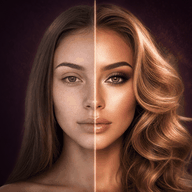
A great consultation prevents most first-time regret. Come with two or three reference photos, ideally on people with a similar starting base to yours, and be clear about your natural level and any previous color, even old box dye, since it affects how lightener behaves. Describe your lifestyle honestly: how often you wash, whether you use heat tools, how much regrowth you can tolerate, and your real maintenance budget. Ask directly how many sessions your goal will take, what the upkeep schedule looks like, and how much damage to expect. Before you commit in the chair, it helps to preview the change on your own face, you can upload a selfie to GlowMaxing and compare highlights against a full-color shift on yourself, which makes describing your goal far easier. Walking in with clarity is the difference between thrilled and 'it's fine.'
Common First-Time Mistakes
The classic error is going too dramatic too fast, picking platinum highlights or jet-black full color on a whim, then panicking at the regrowth and upkeep. Start within a believable range of your natural color; you can always go bolder later. Another mistake is ignoring undertone: choosing a warm shade when cool flatters you, or vice versa, leaves color looking 'off' even when it's technically well done. Don't skip the strand and skin-tone conversation. People also underestimate aftercare, washing too soon, using hot water, or skipping color-safe products, which strips fresh color within weeks. Finally, avoid chasing a celebrity photo that was likely shot in perfect light and possibly filtered. Realistic references plus a previewed look on your own face keep expectations grounded and your colorist set up to deliver.
The quick checklist
- Choose highlights for dimension and lower long-term maintenance
- Choose full color for gray coverage or a uniform all-over change
- Stay within two levels of your natural shade for an easy first time
- Map a realistic 12-month cost and upkeep plan before booking
- Bring two or three reference photos with a similar starting base
- Tell your colorist your wash frequency and maintenance budget
- Preview highlights vs full color on your own selfie first
- Start subtle; you can always go bolder at the next appointment
✦ Free to start✨ Try these looks on your own selfie with GlowMaxing →Upload one selfie and try any hairstyle, color or makeup look instantly with AI. Free to start.Download on theApp Store