 Try this styleon your selfie · free
Glass Skin vs Glazed Skin: What's the Difference?
Published August 31, 2026
Both are luminous and dewy — but glass skin and glazed skin are built differently and suit different people.
The Core Difference in One Sentence
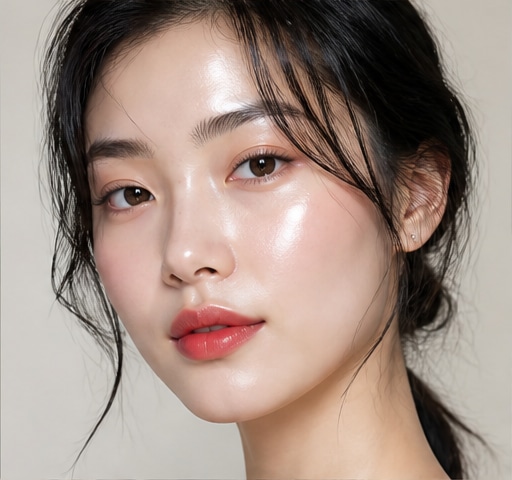
Glass skin is about clarity — poreless, translucent, smooth skin that looks like a flawless sheet of glass — while glazed skin is about wetness — a high-shine, just-applied-glow finish that looks like skin coated in a glossy glaze. Glass skin emphasizes an even, refined surface with an all-over soft luminosity; glazed skin emphasizes a dewy, almost wet sheen concentrated on the high points of the face. Put simply, glass skin is a long-term skin-quality goal achieved mostly through skincare, while glazed skin is a finish you can apply in minutes with the right products. They overlap because both look hydrated and dewy, which is why people confuse them, but the intent differs: one chases smoothness and clarity, the other chases reflective shine. Knowing which you actually want tells you whether to invest in a skincare routine or a few strategic makeup products.
How Glass Skin Is Built
Glass skin is earned through consistent skincare rather than makeup. The foundation is hydration and barrier health: gentle cleansing, layered humectant serums like hyaluronic acid, a hydrating moisturizer, and daily sunscreen. Gentle, regular exfoliation refines texture and minimizes the look of pores over time, and treatments that even out tone — like vitamin C or niacinamide — build the clarity that defines the look. The famous layering technique of pressing thin layers of hydrating products into the skin gives that plump, translucent quality. On the makeup side, you keep coverage minimal so the real skin shows through; a sheer tint at most. Glass skin is a multi-week-to-month commitment because it depends on actual skin improvement, which means it suits anyone willing to be consistent and especially flatters those whose main concern is texture, dullness, or uneven tone.
How Glazed Skin Is Built
Glazed skin is a makeup finish you can fake convincingly today, no months of skincare required. Prep with a hydrating moisturizer and a few drops of facial oil pressed into the high points, then apply a sheer, luminous base or skin tint. The signature step is layering a liquid or cream highlighter and a glossy, dewy finish across the tops of the cheekbones, the bridge of the nose, the cupid's bow, and the brow bones — wherever light naturally hits. A dewy setting spray locks the wet look without dulling it. The result is that reflective, just-stepped-out-of-a-facial sheen. Because it's product-driven, you can achieve it in five to ten minutes for an event and wash it off at night. Glazed skin suits normal to dry skin best and anyone who wants instant impact; on very oily skin it can tip into greasy, so glaze only the high points.
Which One Suits Your Skin Type
Skin type strongly influences which look works on you. Glass skin's all-over luminosity is universally flattering as a goal, but oily skin can struggle to maintain the refined, non-greasy version without mattifying the T-zone, while dry and normal skin take to it naturally. Glazed skin, being shinier and wetter, is gorgeous on dry and normal skin but tricky for oily and acne-prone skin, where added shine can read as oiliness and emphasize texture. If you're oily, pursue glass skin through skincare and keep makeup glow to the high points only; if you're dry, glazed skin gives you that coveted hydrated sheen instantly. Combination skin can do either by zoning — glow on the cheeks, control on the center of the face. There's no wrong choice, only the version that cooperates with how your skin behaves through the day.
Avoiding the Common Mistakes
The most frequent error with both looks is mistaking grease for glow. Glaze and luminosity should sit on the high points and look intentional, not slide into a uniformly oily face by noon. To prevent that, set only the areas that get oily — typically the T-zone — with a sheer powder, and leave the high points reflective. Another mistake is over-applying highlighter until it looks chunky or glittery rather than wet; choose a smooth liquid or cream and a finely milled formula for a true skin-like sheen. For glass skin, the error is chasing it with makeup alone — no foundation creates poreless skin, so the clarity has to come from skincare underneath. And don't skip sunscreen thinking it dulls the glow; sun damage is the fastest way to lose the even, clear surface both looks depend on.
Try Before You Commit
Since glazed skin is fast to apply and glass skin is a longer project, it helps to see how each finish reads on your face before you invest time or money. A high-shine glaze flatters some features and overwhelms others, and the right amount of luminosity depends on your coloring and skin type. You can preview different dewy and glazed finishes on your own selfie with GlowMaxing to decide how much glow actually suits you before building a routine around it. Once you know your direction, commit accordingly: if you want glass skin, start a consistent hydrating and exfoliating routine and give it several weeks; if you want glazed skin tonight, grab a hydrating base, a liquid highlighter, and a dewy setting spray. Many people land on a hybrid — glass-skin skincare habits topped with a light glaze on event days — and that combination is genuinely the best of both.
The quick checklist
- Glass skin = clarity and smoothness; glazed skin = wet, reflective shine
- Glass skin is built through skincare over weeks; glazed skin is makeup in minutes
- Dry and normal skin take to both easily; oily skin should glaze high points only
- Layer hydrating serums for glass skin and keep coverage sheer
- For glazed skin, press oil and liquid highlighter onto the high points
- Set only your T-zone so glow doesn't read as grease by noon
- Choose finely milled, smooth highlighters to avoid a chunky finish
- Never skip sunscreen — sun damage ruins the clarity both looks need
✦ Free to start✨ Try these looks on your own selfie with GlowMaxing →Upload one selfie and try any hairstyle, color or makeup look instantly with AI. Free to start.Download on theApp Store