 Try this styleon your selfie · free
Cool Brunette vs Warm Brunette: Find Your Perfect Brown
Published September 21, 2026
The difference between brunette that flatters you and brunette that drains you usually comes down to one thing: warm versus cool undertone.
The Real Difference Between Warm and Cool
Not all browns are created equal, and the split that matters most is temperature. Warm brunettes carry golden, red, or copper undertones, think chestnut, caramel, mahogany, and honey-brown. They feel sunlit, soft, and rich. Cool brunettes carry ashy, blue, or violet undertones that neutralize warmth, giving you espresso, mushroom brown, and ash-brown shades that read sleek and modern. The same 'medium brown' on a swatch can land warm or cool depending on its underlying pigment, which is why two people with 'brown hair' can look completely different. Understanding temperature is more important than the exact level, because the wrong undertone is what makes color look muddy, brassy, or washed out, while the right one makes your skin glow. Get this right and almost any brown will flatter you.
Find Your Skin Undertone First
Choosing between warm and cool brunette starts with your skin, not the hair. Try a few quick tests. Look at the veins on your inner wrist in natural light: greenish veins suggest warm undertones, bluish or purple suggest cool, and a mix points to neutral. Next, the jewelry test, gold tends to flatter warm undertones, silver flatters cool. Finally, think about how your skin reacts to sun: if you tan easily you likely skew warm, if you burn and stay pink you likely skew cool. The general rule that follows is gently counterintuitive: warm skin is often beautifully balanced by warm OR neutral brunette, while cool skin glows with cool brunette. But undertone, not surface color, drives everything, so run the tests before you fall in love with a photo.
Who Cool Brunette Flatters
Cool brunette is your friend if you have a pink, rosy, or olive undertone and want a crisp, polished, expensive-looking finish. Ash brown, mushroom, and espresso mute any redness in the skin and hair, which is why people fighting brassiness often shift cool deliberately. It's also flattering on fair complexions where warm browns can sometimes look heavy or orange. Cool tones photograph as sleek and high-contrast, the kind of brunette that looks intentional and modern. The catch is maintenance: cool browns fade warm as the ashy pigments wash out first, often within four to six weeks, so they need consistent toning, blue or purple shampoo, and gloss refreshes to stay true. If you love a clean, smoky brown and don't mind a bit of upkeep, cool brunette rewards you with a striking, contemporary look.
Who Warm Brunette Flatters
Warm brunette shines on golden, tan, peachy, or deep skin tones, and it's the more forgiving, lower-maintenance choice for most people. Caramel, chestnut, and honey-brown add softness and dimension, catch the light beautifully, and tend to make skin look radiant rather than drained. Because warm browns fade toward more warmth rather than into an unflattering brassy surprise, they're easier to live with between appointments, often stretching eight to twelve weeks gracefully. Warm tones also flatter brown and hazel eyes especially well, making them appear richer. If you've ever felt that ash or 'cool' colors leave you looking tired or washed out, you're very likely someone who suits warmth. It's the cozy, sunlit, universally loved category, and a neutral-warm blend in particular is one of the most flattering colors across the widest range of complexions.
When You're Truly Neutral
Plenty of people don't sit cleanly in warm or cool, and that's actually the easiest hand to be dealt. If your wrist veins look both blue and green, gold and silver both suit you, and you tan moderately without dramatic burning, you're likely neutral. Neutral undertones can pull off both warm and cool brunette, which means you can choose based on mood, season, or wardrobe rather than necessity. Many colorists will steer neutral clients toward a neutral-brown base with a hint of warmth, because it's the most universally flattering and the lowest-maintenance: it doesn't fade into harsh brass like a cool brown, and it doesn't go muddy like an overly warm one. If you're neutral, experiment freely, you have the rare freedom to switch temperatures over time without your skin tone fighting you.
See It on Yourself Before You Decide
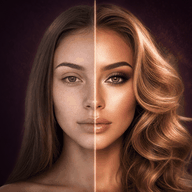
Undertone tests narrow it down, but the only true proof is seeing the color on your own face. Warm and cool brunette can look almost identical on a swatch yet completely different against your skin, and store lighting lies constantly. Take selfies in natural daylight, no filters, and compare. To make it concrete, you can upload a selfie to GlowMaxing and try a warm caramel brunette right beside a cool ash brunette on yourself, instantly seeing which one brightens your complexion and which one flattens it. Watch your skin, not just the hair: the right temperature makes you look more rested and even-toned, the wrong one adds shadows or sallowness. Bring your two favorites to your colorist rather than a single magazine image. Previewing on your own face turns a guess into a confident, flattering decision.
The quick checklist
- Warm browns carry golden and red undertones; cool browns carry ashy ones
- Identify your skin undertone with the vein, jewelry, and sun tests
- Cool brunette flatters pink, rosy, and olive skin but needs more toning
- Warm brunette flatters golden and deep skin and fades more gracefully
- Neutral undertones can wear both, so choose by mood or season
- Cool browns fade warm fastest, so plan for gloss and toning upkeep
- Judge color by how it affects your skin, not just the hair
- Compare a warm and a cool brunette on your own selfie before booking
✦ Free to start✨ Try these looks on your own selfie with GlowMaxing →Upload one selfie and try any hairstyle, color or makeup look instantly with AI. Free to start.Download on theApp Store