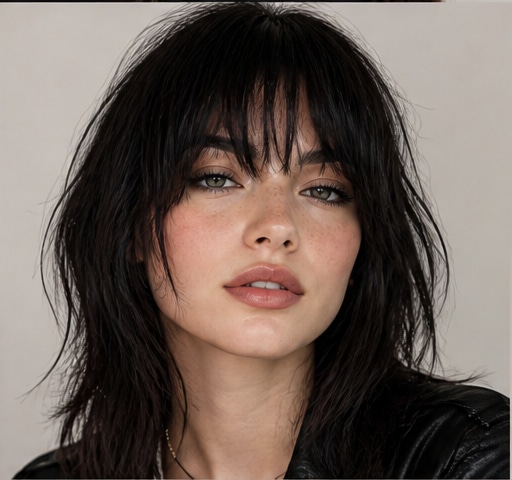
 Try this styleon your selfie · free
Butterfly Layers vs. Traditional Layers: What's the Difference?
Published October 6, 2026
Both add movement, but butterfly and traditional layers build volume in completely different places and suit different hair.
The Core Difference in One Sentence
Traditional layers gradually shorten from top to bottom in a smooth, connected progression, so the difference between your longest and shortest pieces is spread evenly through the hair. Butterfly layers, by contrast, are built from two distinct sets: dramatically short face-framing and crown layers up top, and your full length kept below, with the two blended so they appear to overlap like wings. The shortest butterfly pieces can sit near the chin while the length stays long, creating a big visual contrast that traditional layers deliberately avoid. In short, traditional layers smooth and taper; butterfly layers stack volume and length together for a fuller, more voluminous '90s-blowout effect. Understanding this contrast is the key to picking the right one for your hair and the look you want.
How Each Is Cut
For traditional layers, a stylist sections the hair and cuts each layer slightly shorter than the one below, typically elevating the hair at a consistent angle so the lengths cascade evenly. The technique prioritizes seamlessness; you shouldn't see where one layer ends and the next begins. Butterfly layers use two separate cutting zones. The internal short layers are cut around the face and crown, often starting near the cheekbone or chin, while the perimeter length is left untouched. The stylist then connects the two with diagonal blending so the short layers feather into the long. Because the short layers are so much shorter than the perimeter, butterfly cuts require precise blending; done poorly, they create a harsh shelf instead of soft, wing-like movement.
Volume and Movement Compared
Traditional layers add gentle movement and reduce bulk, which is why they're the default fix for heavy, dense hair that hangs like a curtain. They make hair easier to style and remove weight without changing your overall shape dramatically. Butterfly layers are about maximum volume and a glamorous, bouncy finish; the short crown layers lift and swell, giving that full, blown-out look popular in face-framing styles. If you want subtle, low-maintenance shaping, traditional layers win. If you want noticeable face-framing flick and crown body, butterfly layers deliver. The trade-off is styling: butterfly layers usually need a round brush or curling iron to show their full effect, while traditional layers can look polished with minimal effort.
Which Suits Your Hair Type
Thick, heavy hair often does best with traditional layers, which thin out density and improve manageability without exaggerating volume it already has. Fine and medium hair benefits enormously from butterfly layers, because the stacked short pieces create the illusion of fullness fine hair lacks. Long hair is the natural canvas for butterfly layers; you need enough length below for the contrast to register, so they're popular on collarbone-to-mid-back lengths. Shorter hair tends to suit traditional layering better. Wavy and straight textures both work for either style, though butterfly layers really sing on hair with a slight bend that amplifies the wing effect. Very curly hair can do butterfly layers but needs a curl-specialist cut so the short pieces don't spring up too high.
Styling and Upkeep Differences
Traditional layers are forgiving day to day: air-dry, a quick round-brush, or a wave with an iron all look intentional. Butterfly layers ask for a little more. To show the wings, blow-dry the face-framing pieces away from the face with a round brush, then curl the shorter crown layers slightly upward and the longer lengths in a relaxed wave. Both styles need maintenance trims, but butterfly layers grow out into something close to traditional layers, so you have a graceful exit. Traditional layers simply lengthen. Plan trims every eight to ten weeks for either. The practical takeaway: choose traditional layers for ease and butterfly layers when you're willing to style for a fuller, more dramatic result.
How to Ask for the Right One
Vocabulary prevents disappointment. For traditional layers, tell your stylist you want soft, connected, evenly graduated layers and specify whether you want them to start short or stay long for subtlety. For butterfly layers, ask specifically for that name, and clarify how short you want the shortest face-framing piece (chin, cheekbone, or collarbone) and how much length to preserve below. Mention you want the two sections blended, not stacked into a visible step. Reference photos are essential because both terms get used loosely. It helps to point at the crown and face and say where you want volume to live. The clearer you are about the contrast you want between short and long, the closer your result will land.
The quick checklist
- Traditional layers taper evenly; butterfly layers stack short over long
- Choose traditional layers to remove weight from thick hair
- Choose butterfly layers to add fullness to fine or medium hair
- Butterfly layers need round-brushing to show their wing effect
- Specify your shortest layer's length: chin, cheekbone, or collarbone
- Ask for blended, not stepped, layers to avoid a harsh shelf
- Trim either style every 8-10 weeks to keep the shape
✦ Free to start✨ Try these looks on your own selfie with GlowMaxing →Upload one selfie and try any hairstyle, color or makeup look instantly with AI. Free to start.Download on theApp Store